
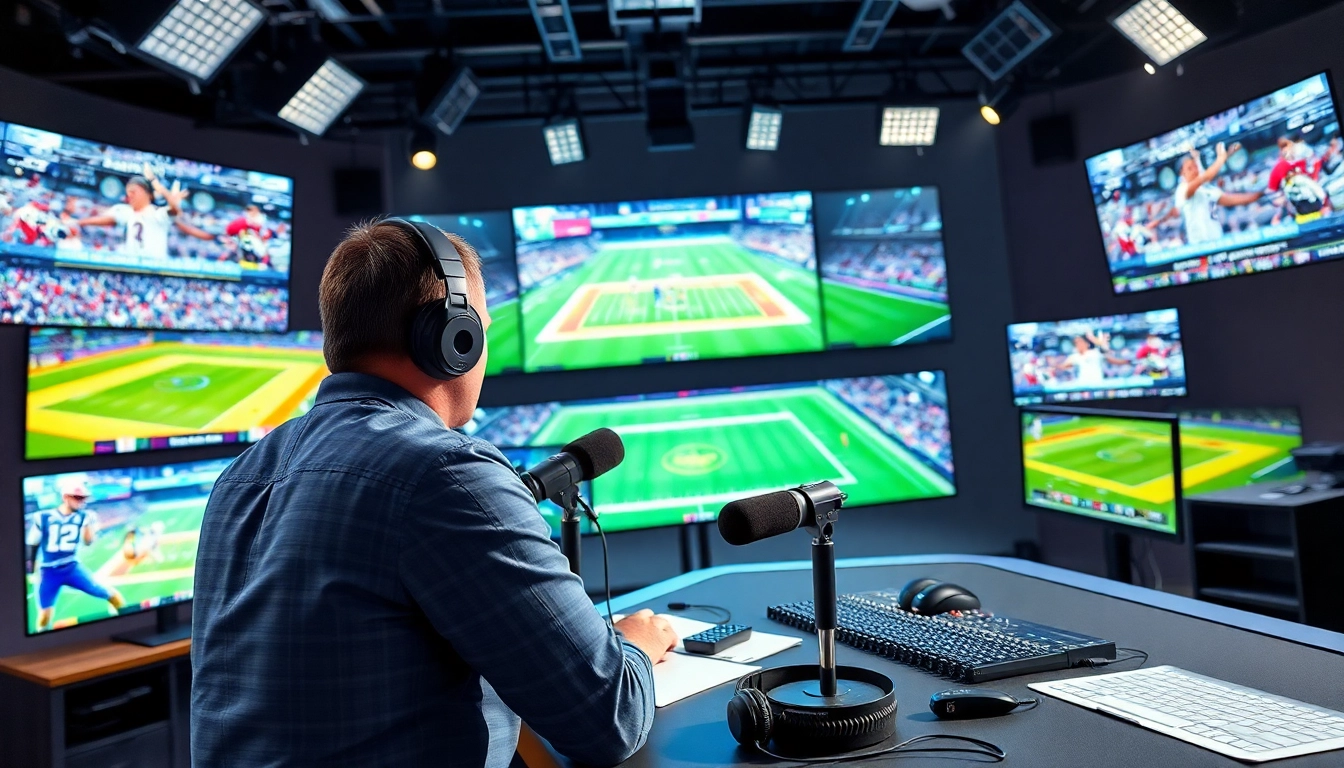
The Evolution of Sports Broadcasting
Sports broadcasting has undergone a remarkable transformation over the years. What began as radio broadcasts of local games in the early 20th century has evolved into a multi-billion-dollar industry driven by cutting-edge technology and an ever-expanding array of platforms. Understanding this evolution is crucial for stakeholders in the sports ecosystem, from team owners to advertisers. In this context, Sports Broadcasting represents a fascinating intersection of tradition and innovation.
Historical Context and Milestones
The origins of sports broadcasting date back to the 1920s when the first radio broadcasts captured the excitement of sports events. These broadcasts changed the way fans engaged with sports, allowing them to follow their favorite teams from the comfort of their homes. The milestone moments of this era included the first-ever live radio broadcast of a baseball game in 1921.
Television began to play a significant role in sports broadcasting in the 1950s. With the introduction of televised events like the NFL Championship and the World Series, the popularity of sports skyrocketed. Major events became household phenomena, and viewership numbers soared, paving the way for lucrative television contracts. The advent of color television further enriched the spectator experience, making sports events more vibrant and engaging.
Technological Advancements in Broadcast Media
As technology advanced, so too did the methods of sports broadcasting. The introduction of satellite technology in the 1970s allowed for broadcasts to reach wider audiences, even internationally. Meanwhile, the incorporation of graphics and commentary enhanced viewer engagement. The evolution continued with digital streaming in the 2000s, allowing fans to watch games on various devices.
More recently, technologies like Virtual Reality (VR) and Augmented Reality (AR) have begun to reshape the sports broadcasting landscape yet again. These technologies offer immersive experiences, allowing viewers to feel as if they are part of the action, creating more robust fan engagement.
The Shift to Digital Platforms
The advent of digital platforms has represented one of the most significant shifts in sports broadcasting. Traditional methods, once dominated by cable and network television, have seen a dramatic decline in viewership, especially among younger demographics. Streaming services now offer fans the flexibility to watch games on smartphones, tablets, and computers, breaking geographical barriers and time constraints.
The rise of social media platforms has also played a crucial role in this transition. Platforms like Twitter, Instagram, and YouTube have become essential tools for broadcasters to reach audiences, offering live updates, highlights, and behind-the-scenes content that keeps fans engaged in real time.
Understanding Sports Broadcasting Audiences
To effectively engage with sports fans, it's imperative to understand the diverse audiences that make up the viewership landscape. Engaging with these varying demographics allows broadcasters to tailor their offerings appropriately, ensuring higher retention rates and audience satisfaction.
Identifying Target Demographics
Sports audiences are not monolithic; they comprise various demographics based on age, gender, geographic location, and interests. Studies have shown that younger audiences, particularly those aged 18-34, prefer consuming content through digital and social platforms. In contrast, older demographics may still engage primarily with traditional television broadcasts.
It's essential to identify these target segments; sports broadcasters can maximize viewership by adapting their content strategies, whether that's offering short highlights on social media or in-depth features for dedicated fans on traditional platforms.
Audience Preferences and Trends
Understanding audience preferences extends beyond merely identifying demographics. Modern fans are increasingly engaged in sports through fantasy leagues, data analytics, and interactive experiences. Enthusiasts want immediate access to the latest statistics, player info, and live commentary.
Emerging trends show a growing appetite for personalized content as well. Broadcasters that utilize data analytics to cater to fans’ unique viewing habits are likely to see improved engagement and loyalty.
Engaging Viewers Across Different Platforms
Engagement strategies today must be multi-faceted. Traditional broadcasts are complemented by social media campaigns, interactive apps, and collaborations with influencers to create an immersive experience. Engaging content that combines highlights, interviews, and interactive polls can draw in audiences across various platforms.
Furthermore, understanding the unique characteristics of each platform—such as brevity on Twitter and a focus on visuals on Instagram—enables broadcasters to customize their content effectively, encouraging deeper engagement.
Best Practices for Effective Sports Broadcasting
As the landscape of sports broadcasting continues to evolve, adopting best practices can significantly enhance audience engagement and retention.
Creating Compelling Content
Content is king in sports broadcasting. Compelling storytelling can draw in viewers and keep them invested in teams, players, and events. Successful sports broadcasts often combine narratives with exciting visuals and live commentary to enhance the viewing experience.
Using behind-the-scenes content, interviews, and narratives that highlight personal stories creates a connection between fans and the teams they support.
Utilizing Multiple Media Formats
Today’s fans consume content through various media formats, from video highlights to podcasts. Offering diverse media types caters to different preferences and gives audiences flexibility. Implementing a multi-format strategy not only offers various options but also reinforces brand recognition.
Live streaming, recorded segments, and short clips can be shared across several platforms, allowing broadcasters to capture audiences' attention in different formats and times of engagement.
Balancing Entertainment and Information
Effective sports broadcasting must strike a balance between providing entertainment and delivering critical information. While fans appreciate a lively and entertaining commentary team, they also depend on accurate statistics and insightful analyses to understand the game better.
Live commentators should focus on keeping viewers engaged with humor or storytelling, while also ensuring that essential information such as player stats, game analysis, and injury updates are seamlessly integrated into the discussion.
Monetization Strategies in Sports Broadcasting
As the media landscape transforms, so too do the monetization strategies for sports broadcasting. From advertising to subscriptions, understanding these methods is crucial for broadcasters looking to thrive financially.
Advertising Models: Traditional vs. Digital
Traditional advertising methods, such as TV commercials, are still prevalent in sports broadcasting, though they are increasingly facing competition from digital models. Digital advertising offers advertisers targeted campaigns, which can be more cost-effective and yield higher engagement rates.
Integrating native advertising and sponsorships into broadcasts can also enhance revenue, providing brands with exposure without interrupting the user experience.
Subscription and Pay-Per-View Options
Many networks and streaming services have adopted subscription models, allowing fans to bypass traditional ads for a more personalized experience. Pay-per-view events, particularly for high-profile games or boxing matches, allow fans to pay for a single event rather than a full season package, providing flexibility.
Implementing tiered subscription services can also maximize revenue by offering additional exclusive content and perks for premium members.
Sponsorship Opportunities
Sponsorships are another lucrative avenue for monetizing sports broadcasts. By partnering with brands, broadcasters can generate additional funds while offering sponsors visibility. These partnerships can take various forms, including branded segments, logo displays during games, and integrated campaigns across social media platforms.
Strategic sponsorships that align with audience interests can also enhance the viewing experience while providing financial stability.
Measuring Success in Sports Broadcasting
Measuring success in sports broadcasting is crucial for refining strategies and understanding audience engagement. But what metrics should broadcasters focus on?
Key Performance Indicators (KPIs)
KPIs such as viewership ratings, audience retention rates, and digital engagement metrics provide valuable insights into what resonates with fans. Tracking these indicators enables broadcasters to make informed decisions regarding content and distribution strategies.
Moreover, measuring ROI on advertising expenditures helps justify marketing spends and refine strategies further.
Feedback Mechanisms and Audience Engagement
Direct feedback mechanisms, such as polls and surveys, can offer invaluable insight into audience preferences. Engaging fans through social media and interactive tools enhances their connection to the broadcast and allows broadcasters to adapt their content accordingly.
Integrating viewer feedback into strategy can help identify gaps in content and highlight areas for improvement, ensuring a more satisfying viewing experience.
Adapting Strategies Based on Analytics
Leveraging analytics to inform content and distribution strategies is essential for staying relevant in a competitive market. Audience behavior data provides actionable insights into when audiences are most engaged, what types of content they prefer, and how to tailor offerings for maximum impact.
Broadcasters who continually adapt their strategies based on these insights can foster deeper connections with their audiences and boost long-term loyalty.
Frequently Asked Questions
What is sports broadcasting?
Sports broadcasting refers to the process of transmitting live or recorded sporting events to an audience via various media such as television, radio, and the internet.
How has technology impacted sports broadcasting?
Technology has transformed sports broadcasting by enabling live streaming, enhancing viewer engagement with graphics, and creating immersive experiences through AR and VR.
What are the main demographics in sports broadcasting?
Sports broadcasting audiences vary by age, gender, geographic location, and interests, with younger viewers favoring digital platforms while older demographics may prefer traditional broadcasts.
How do broadcasters monetize sports content?
Monetization strategies include advertising (traditional and digital), subscription models, pay-per-view options, and sponsorship opportunities.
What metrics are used to measure success in sports broadcasting?
Key performance indicators include viewership ratings, audience retention rates, digital engagement metrics, and feedback mechanisms that inform content strategies.